


About 420 miles down I-95 from Jacksonville is the island city of Islamorada. When you cross the Florida-Georgia border, you only have about seven hours until you reach the sport fishing capital of the world. If you’re an angler or outdoor enthusiast and haven’t yet made this journey, it’s time to start planning! No other place in the world offers the fishing of Islamorada. Let’s learn more!
Is Florida Popular For Saltwater Fishing?
When you think of Florida, you probably imagine white sandy beaches, crowded theme parks, and rocket launches. But did you know that saltwater recreational fishing brings in $9.2 billion? It’s not surprising, with a coastline of over 8,400 miles. Florida also holds more world record fish catches than any other state or country. So, “Fishing Capital of the World” seems to be an appropriate title.
HOT TIP
Be sure to take a look at The Best RVs Used by Pro Bass Fishermen before planning your next fishing trip!
Where Is the Sport Fishing Capital of the World?
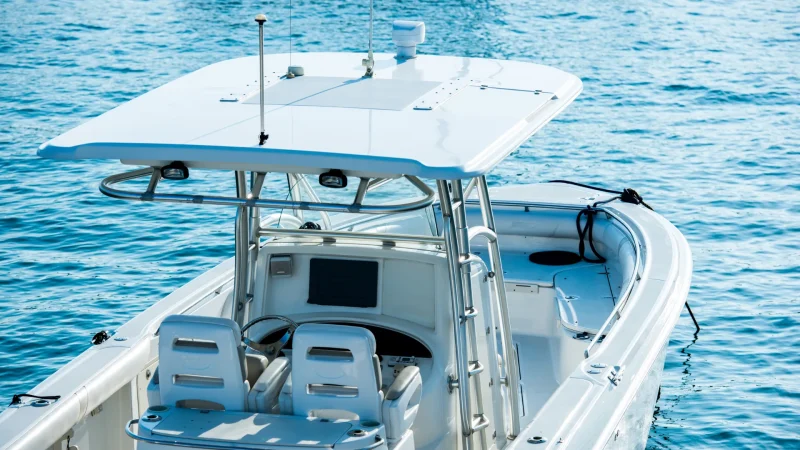
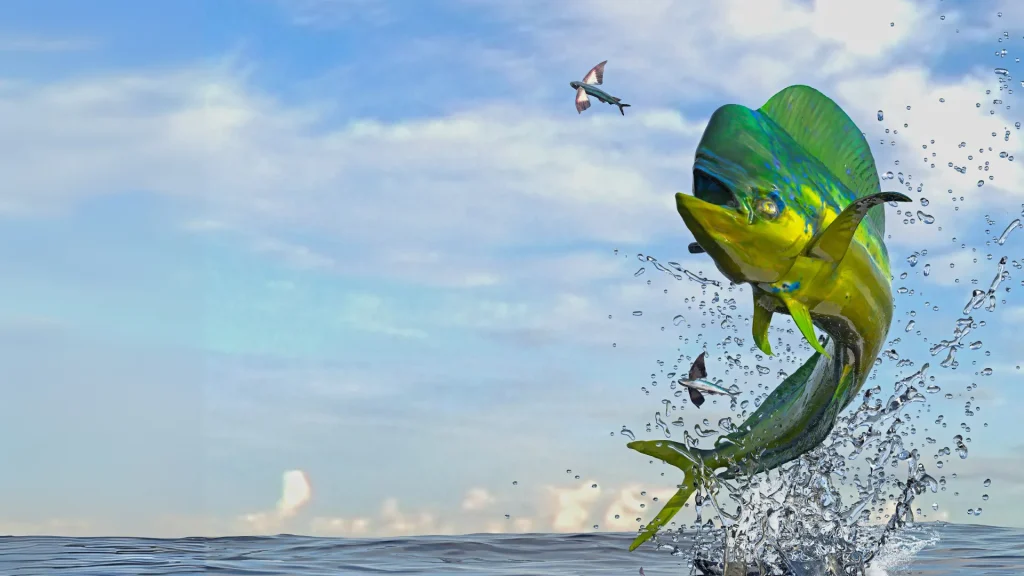
Islamorada, FL, is known as the sport fishing capital of the world. It’s a paradise for anglers and nature lovers. Numerous marinas and charter boat companies offer opportunities for deep-sea fishing, reef fishing, and backcountry fishing. Sailfish, marlin, tuna, mahi, and wahoo are popular offshore catches. Due to Islamorada’s location between the Atlantic Ocean and the Gulf of Mexico, large fish species migrate through this region.
Where Is Islamorada, FL?
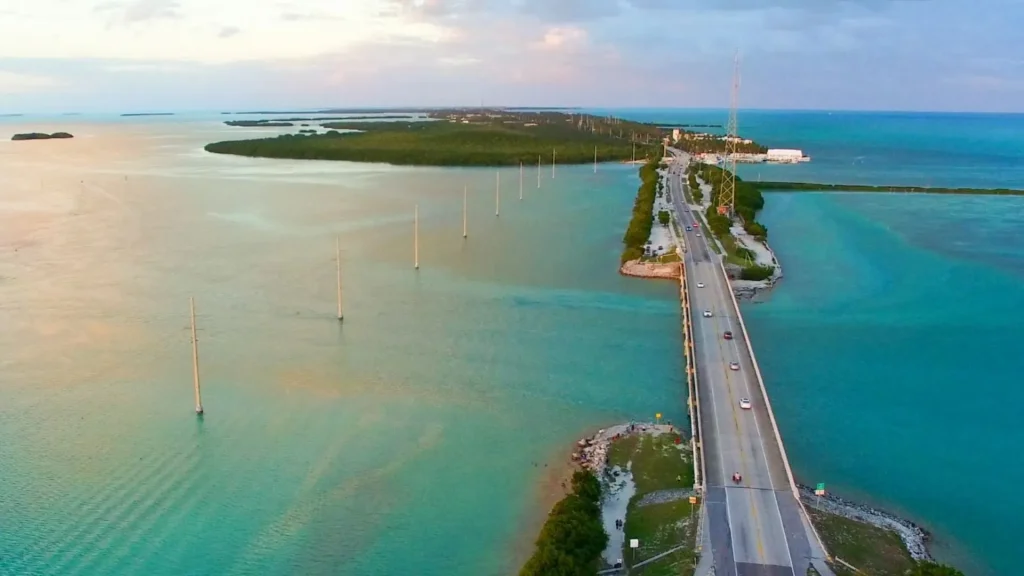
Located in the Florida Keys, Islamorada stretches across five islands: Tea Table Key, Lower Matecumbe Key, Upper Matecumbe Key, Windley Key, and Plantation Key. It’s almost exactly between Key West and Miami. Key West is about 80 miles west, and Miami is about 80 miles northeast.
“Islamorada” means “purple island,” given to this city by Spanish explorers. The six square miles of land are home to about 7,100 residents. But tourism is a huge economic influence and critical to the city.
What Makes Islamorada the Sport Fishing Capital of the World?
Islamorada, FL, has become the sport fishing capital of the world because the warm waters are home to diverse marine life. No matter where you go – offshore, backcountry, or along the reefs – you’re almost guaranteed to catch something.
The Gulf Stream brings mahi-mahi, wahoo, kingfish, sailfish, marlin, tuna, bonefish, tarpon, spotted sea trout, and more through these warm waters. Whether you’re a beginner or an experienced fisherman, Islamorada is an angler’s paradise.
Should I Book A Charter Boat To Fish In Islamorada?
Although it’s not required, we highly recommend booking a charter boat in the sport fishing capital of the world. Even though you’re likely to catch something anywhere you drop a line, you’re better off allowing the experienced locals to take you to the best fishing grounds.
They’re also knowledgeable about the seasons and the different fish species that swim during various months. For example, blue marlin are more active during summer, while kingfish swim in colder months. Professional captains know which fish are biting and where, and can show you the best techniques.
What Bait Should I Use When Visiting the Fishing Capital of the World?
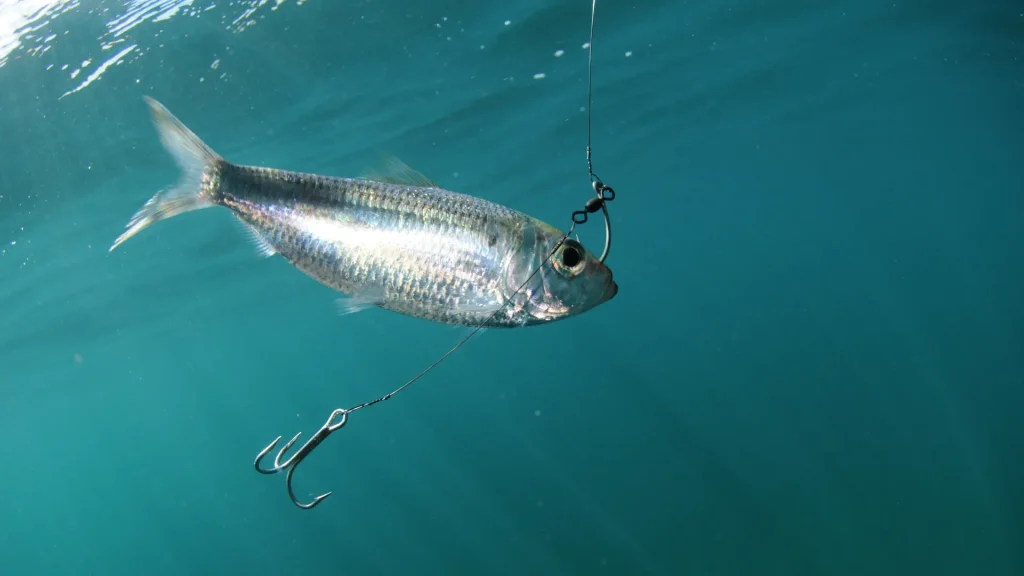
If you’re deep-sea fishing, live bait is the best option. Many deep-sea anglers troll the Islamorada Hump using pilchard or ballyhoo. Large chunks of fresh fish will bring in the tuna, snapper, and other large fish. Again, a charter boat captain can get you all set up with the right bait for the right type of fishing during the right season.
During What Season Should I Book A Fishing Trip To Islamorada, FL?
The waters around Islamorada, FL, are warm year-round. Therefore, any season is a prime sport fishing season. However, if you want to catch a certain kind of fish, you must pay attention to the seasons. This is why talking to an experienced captain is helpful. They can give you the inside scoop about when and where you want to fish in Islamorada.
What Is the Islamorada Hump?
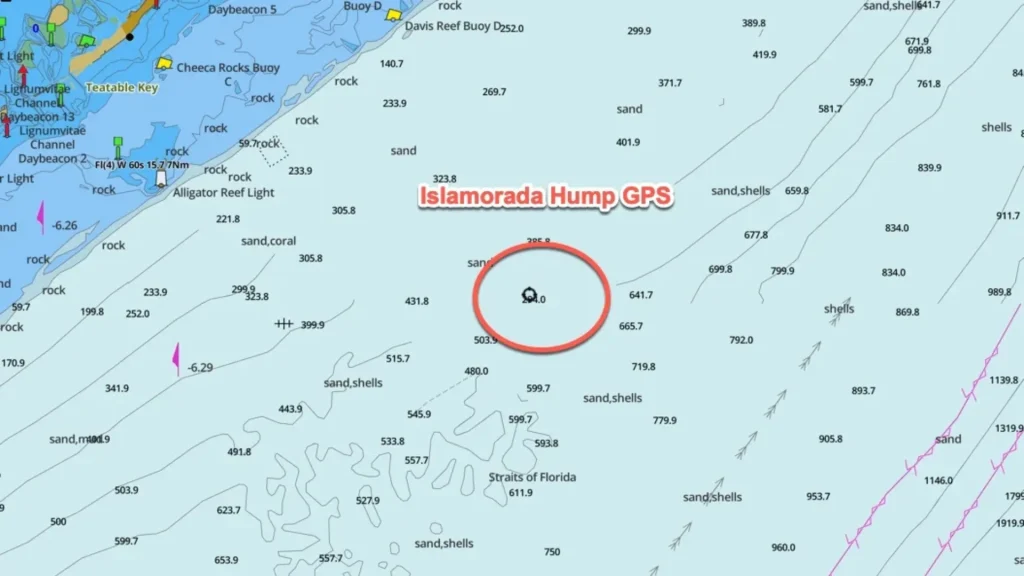
The Islamorada Hump is 15 miles off the coast. This is where some of the best sport fishing in the world happens. Because of this, it’s also very crowded and can feel more like rush hour traffic on the Atlantic. Be prepared for congestion if you head out to the Hump.
These underwater mountains tower from the ocean floor, funneling water around them. It’s the perfect habitat for marine life. Even if you have sport fishing experience, it’s best to go out with a captain who knows the water since the distance from shore and depth of the water make the Islamorada Hump challenging.
Is Visiting the Fishing Capital of the World Worth It?
If you’re an angler, the sport fishing capital of the world has to be on your bucket list. Nowhere else will you find the rich waters teeming with life as you will at Islamorada. And for those of you who may accompany a fisherman but have no interest in casting a line, there’s plenty to do in the Keys to stay busy. The tropical island life with entertainment, shopping, and dining will keep everyone in the family happy.
Is a trip to Islamorada, FL in your future?
If You Want the Latest Travel News, Join Our Mailing List
Don’t rely on biased RV industry news sources to keep you informed. Stick with Nomadic News. We publish articles and breaking stories that matter to you every weekday.