


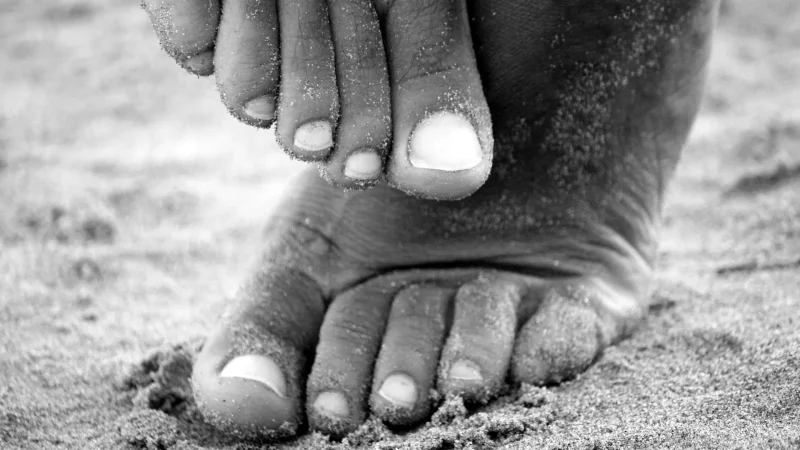
After a day at many California beaches, it’s common to discover oil spots on your feet. Sadly, these dark-colored pieces that stick to your feet aren’t anything new.
However, just because beachgoers have been experiencing them for decades doesn’t excuse them. So, why do you get oil on your feet at these beautiful beaches?
Today, we’ll dive below the surface to see where these annoying spots come from.
Let’s get to it!
What Are Tar Balls?
Tar bars are the small, dark-colored petroleum pieces common on the beaches and shorelines of California. These balls can be as small as pebbles or larger chunks of tar. They’re typically a combination of crude oil, debris, and sediment. Regrettably, not only are they aesthetically unappealing, but they’re also rather smelly.
While they’re relatively common, officials take them seriously. Specialized equipment and cleanup crews come in to remove tar balls and minimize damage to the surrounding environment. Luckily, improved drilling practices, stricter regulations, and more awareness regarding environmental impacts are helping to reduce tar bars.
HOT TIP
Be sure to read 5 Reasons Why Venice Beach is Overrated before heading west to check out the beaches!
How Do You Get Beach Oil Off Your Feet?
The good news is that tar bars generally pose little danger to humans. Yet, just because they’re typically not dangerous doesn’t mean you want to live with oil on you. Getting the oil off your feet is possible, but it can take some effort.
Dove soap and a pumice scrubber are the most effective ways to get beach oil off your feet.
The first thing you need to do is thoroughly wash your feet with warm water. Next, apply the Dove Soap to your feet and focus on the areas with the oil residue. Use your hands to massage the soap into your feet.

Take your pumice stone and scrub the oily areas on your feet in a circulation motion. Avoid pressing too hard, which can damage and irritate your skin. Rinse your feet thoroughly and see if you’re making progress. You may need to repeat the entire process another time to get the most stubborn oils off your feet.
Once you finish, it’s a good idea to moisturize your feet. This will help avoid your feet drying out. Use a quality lotion that has hydrating qualities to help soothe your skin.
Why Do You Get Oil On Your Feet at Beaches in California?
So, what’s the cause of these annoying pieces of oil on your feet? Here are a few of the most common reasons.
Natural Oil Seepage
If you’re unaware, California has underwater reservoirs that contain crude oil. As a result, oil seepage can naturally occur. This is one of the most common causes for finding oil along the Santa Barbara Channel and the Los Angeles Basin.
This natural process has occurred for thousands of years, and marine life living in the area has adapted to it. Unfortunately, while some marine life may be okay with it, humans and wildlife on land are not. It can pose serious health consequences when ingested.
Oil Drilling and Transport
Sadly, not all of the oil on beaches is natural. Humans also share some of the blame for transporting and drilling for oil. Offshore drilling platforms, oil refineries, and oil transport routes are common off the coast of California. From time to time, oil spills and leaks occur due to these activities. During these spills or leaks, oil gets released into the ocean.
Oil spills and leaks range in size and impact. Once it enters the water, it can enter the ocean current and eventually wash up on California beaches. As a result, California’s government has created strict rules and regulations to address oil spills. The hope is to minimize the impacts on the coastal ecosystems and communities.

Urban Runoff
Another possibility for oil on California’s beaches is urban runoff. Pollutants like oil and grease can mix with rainwater and enter stormwater drains. Many of these drains ultimately flow into the ocean. This is why you may experience tar balls on beaches after a heavy rain. The oil gets pushed through the stormwater drains and ends up on the beach.
While some coastal communities have invested in filtration systems to prevent these pollutants from reaching the ocean, not every community has. As a result, public education and awareness campaigns take place in communities to help inform others how to dispose of oil and hazardous materials properly.
What Should You Do if You Find Oil on a Beach?
Knowing what to do is crucial if you discover oil on a beach. Let’s look at several things you should do in these situations.
Avoid Touching It
The first thing you should do if you find oil on the beach is to avoid touching it. You never know; it could be toxic and cause serious harm to you and the environment. It could lead to skin irritation or more severe consequences if you inhale fumes from the oil. You should never pick it up with your bare hands.
Since you’re not touching it, the next thing you should do is contact the appropriate authorities. This could be a local environmental agency, the US Coast Guard, or a nearby lifeguard. If you reach out to one of these agencies and they cannot help, see if they can let you know who you should contact.
Authorities can vary based on the location and the type of beach. But, by reaching out to notify authorities, you’re doing your part. They may come slower than you like, but they’ll likely investigate the scene and do their best to help clean it.

Warn Others
Once you’ve notified authorities, make sure to warn others. Tell them what you’ve found, especially if anyone is playing or swimming near the pollutants. They may not be aware of the situation. If you see parents with small children or pets, give them a heads up so they avoid accidentally coming in contact with or ingesting the pollutant.
Keep Wildlife Away
Wildlife are often curious creatures and can get themselves into trouble. Do your best to keep wildlife away from the scene. Regardless, this can be very challenging, and sadly, this oil can be harmful or even fatal to wildlife.
Also, if you discover wildlife caked in oil, inform the authorities. This will likely elevate their response as it poses a more serious risk to animals and wildlife in the area.
Cooperate with Cleanup Efforts
Unless you’re trained or have the proper equipment, you won’t be much help. The best thing you can do is to stay out of the way of cleanup crews and let them do their jobs. On the other hand, many volunteer organizations participate in cleanup efforts. They’ll often organize supplies and any other requirements that cleanup crews may need.
The work to support cleanup crews is as vital as the cleanup itself. Whether you’re buying supplies, preparing meals, or helping with other support services, it’s all important.
Is Getting Oil On Your Feet Normal at California Beaches?
Unfortunately, getting oil on your feet at California beaches isn’t uncommon. It will occasionally happen with such a massive coastline and offshore oil industry. Nevertheless, we’re glad the state has been cracking down on it over the years to help protect the ocean and the marine life that calls it home.
If You Want the Latest Travel News, Join Our Mailing List
Don’t rely on biased RV industry news sources to keep you informed. Stick with Nomadic News. We publish articles and breaking stories that matter to you every weekday.