


Most people know that South Florida is full of swamplands and alligators. However, many have not discovered the Gladesmen that once inhabited the area.
These brave men worked in some of the country’s most dangerous landscapes for weeks at a time. So, who were they, and what did they do?
Today, we’re looking at the Gladesmen to help you understand their role in this fragile and unique ecosystem.
Let’s get going!
What Is a Gladesman?
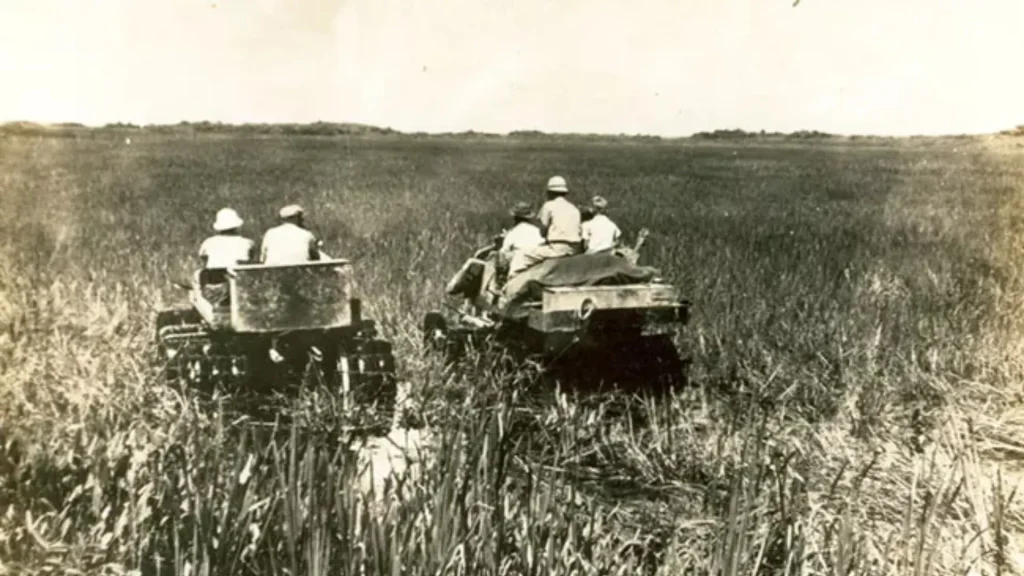
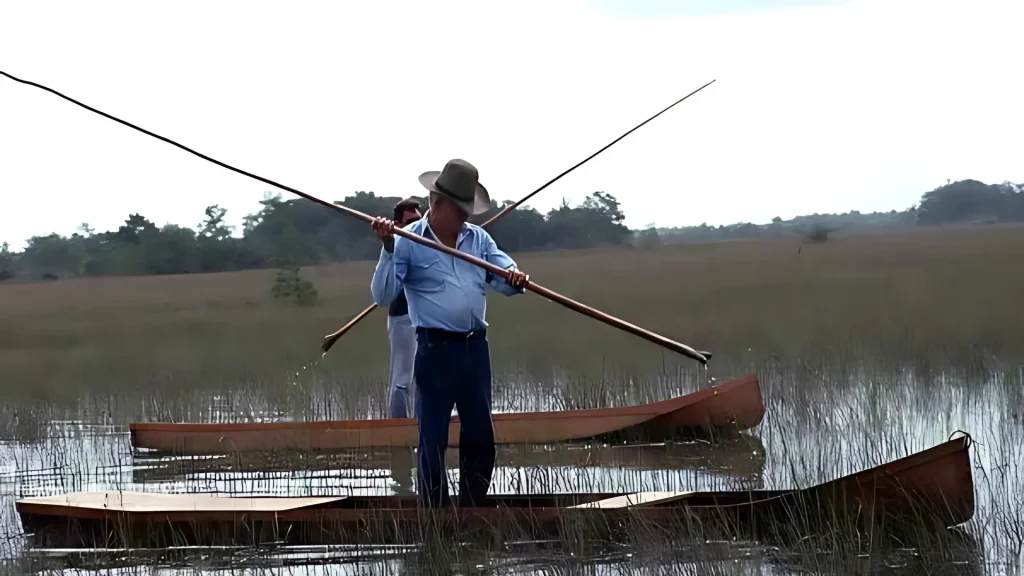
A “Gladesmen” refers to those deeply connected to the Florida Everglades. These individuals have expertise in navigating the many waterways and lead simple and traditional lives. They spend most of their time hunting, fishing, and living off the land.
Until the creation of laws to protect the land, these wilderness survivors lived in remote areas of the Everglades. They formed isolated communities or camps deep within the wetlands.
Many have developed a profound knowledge of the ecosystem, which helps them to understand its rhythms, wildlife, and vegetation. Their lifestyle requires self-reliance, subsistence hunting and fishing, and a solid connection to the natural world.
Gladesmen have also become known for their advocacy and conservation efforts in recent years. They’re passionate about protecting the fragile ecosystem. Many work alongside environmental organizations and government agencies to safeguard the Everglades from threats.
HOT TIP
Be sure to read Is Florida Sinking for more information on how the environment is changing in Florida.
Where Are the Everglades?
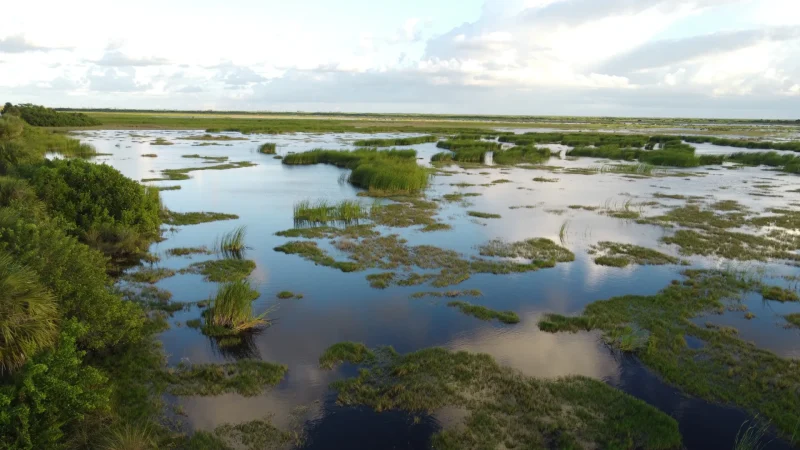
The Everglades is a massive wetland ecosystem in southern Florida. It covers approximately 1.5 million acres. It’s earned the nickname “river of grass” due to its shallow, slow-moving water.
This remarkable ecosystem contains a variety of habitats. You’ll find almost everything, including marshes, swamps, mangrove forests, and sawgrass prairies. It is home to numerous plant and animal species, some of which are on rare or endangered lists. A few of its most famous residents include the American alligator, the Florida panther, and the West Indian manatee.
Dangers of Living in the Everglades
Visiting the Everglades can be a fantastic experience. But, living in them is not an easy task. You must be aware of and prepare for various dangers. If not, you could find yourself in serious trouble. Let’s look at some of the biggest threats in the Florida Everglades.
Alligators
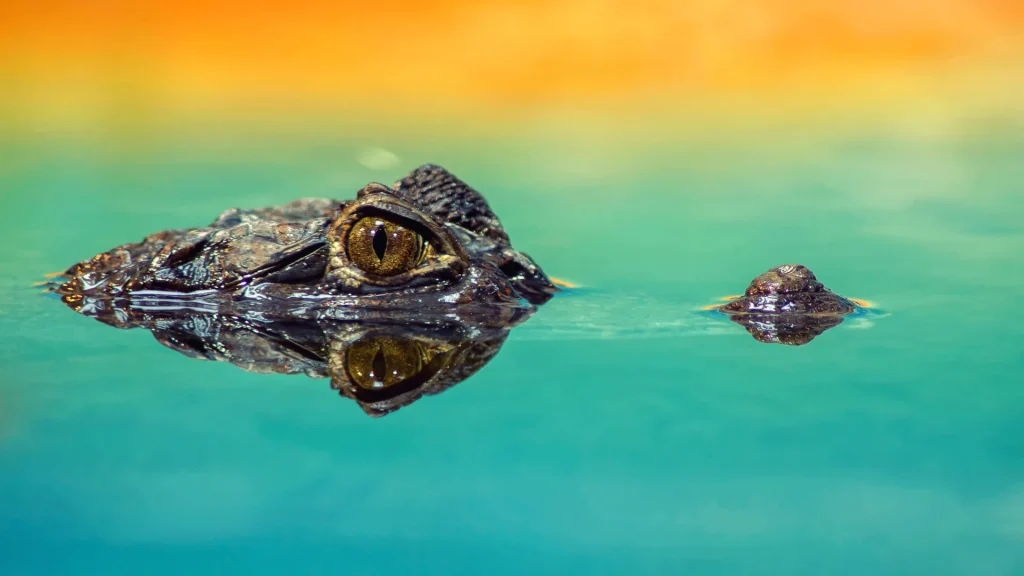
Alligators are one of the most significant dangers of living in the Everglades. They’re native to the area and thrive in the wetland habitats.
While these reptiles are crucial to the Everglades’ natural balance, they can threaten humans. They are powerful predators with a keen sense of smell. Their ability to camouflage themselves makes them incredible hunters. Encounters between alligators and humans are rare but do occur. Typically, they happen when people get too close or venture into their territory.
To avoid an encounter, be careful, avoid swimming in areas known for alligator presence, and keep your distance from this potentially deadly species.
Snakes
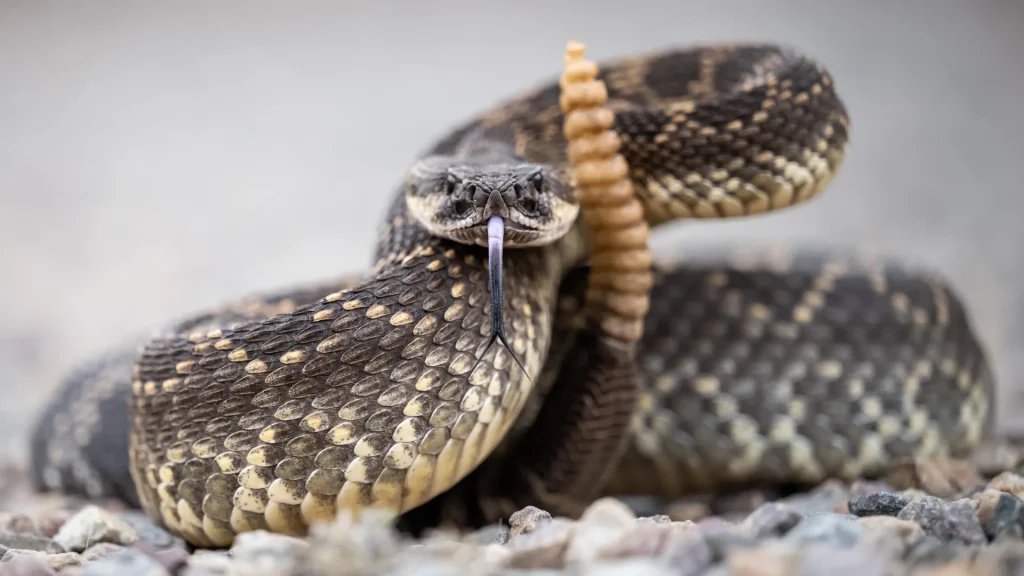
Another danger living in the Everglades is venomous snakes. Several species of snakes, including the Eastern diamondback rattlesnake and the water moccasin, can deliver a painful and dangerous bite if provoked.
While these snakes generally prefer to avoid humans, accidental encounters can occur. Be sure to keep an eye out for them when exploring. Wear protective footwear and clothing that can help keep you safe. You can significantly reduce the risk of getting bit by being aware of your surroundings.
Insects
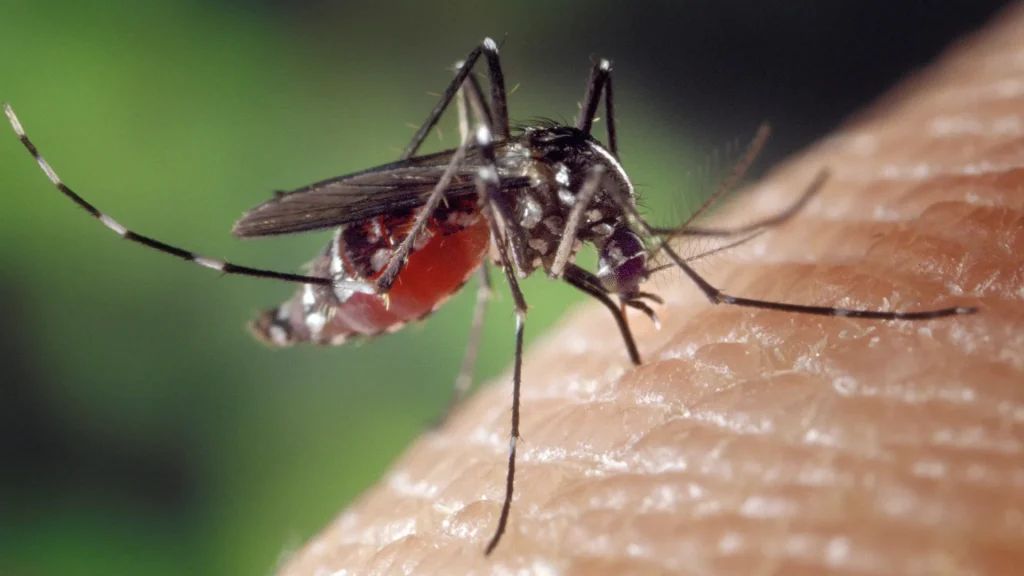
While tiny, the Everglades is home to some insects that can be very dangerous. The wetland environment is an ideal breeding ground for mosquitoes. As a result, it has a large population of these blood-sucking insects. They can transmit the West Nile virus and many forms of encephalitis, which pose health risks to humans and wildlife.
Combating these insects requires you to take some protective measures. For starters, use insect repellent and wear long sleeves and pants. In addition, avoid being outdoors when they’re most active, typically from dusk to dawn.
In addition to mosquitos, the Everglades has ticks. They’re another severe concern as they can transmit Lyme disease and Rocky Mountain spotted fever. They’re most often in wooded and grassy areas, which makes the Everglades an ideal home for them.
While exploring, you should regularly check for ticks. In addition, you should do an extensive check after spending time outdoors. You can decrease the chances of finding them by wearing proper clothing and using tick repellents.
Heat
Another danger of the Everglades to consider is the extreme heat. Summers in the Everglades can be scorching. Temperatures typically reach the mid to upper 90s, and high humidity levels are off the charts.
Spending too much time in the heat can be very dangerous. It can lead to heat exhaustion and heatstroke. These two conditions can be life-threatening if you do not receive treatment quickly.
To avoid these dangerous situations, stay hydrated, wear lightweight and breathable clothing, and avoid the hottest parts of the day. Seek shelter in the shade or air-conditioned environment as often as possible.
Typically, people experience issues because they fail to hydrate properly. It can be overwhelming and challenging if you’re not used to the heat.
What Happened to the Gladesmen?
The Gladesmen still occupy the area. Despite this, their roles have shifted substantially. What was the cause of the shift? Let’s take a look and see!
Urbanization
As southern Florida has undergone population shifts and urban development, the habitats and wilderness areas that the Gladesmen called home have disappeared. They’ve become roads, neighborhoods, and commercial developments.
This has disrupted their traditional lifestyles. Their abilities to hunt and fish are more challenging. They’ve lost access to the natural resources that sustained them and their communities.
Furthermore, urbanization has changed land use and water management practices. This has altered the Everglades’ delicate ecosystem. Drainage canals, dikes, and limited water flow patterns disrupt the natural balance of the wetlands. These changes impact water quality, wildlife habitats, and the availability of game animals and fish.
The Gladesmen have experienced changes to the Everglades. They’ve had to adapt and find new hunting and fishing grounds.
Environmental Changes
The Gladesmen have also faced significant challenges due to environmental changes in the Everglades. Changes in the natural flow of water are only the start. Pollution, habitat destruction, and climate change have also seriously impacted the ecosystem and the Gladesmens’ way of life.
These changes have led to extreme shifts in wildlife populations. It’s making it more challenging for them to rely on hunting and fishing as a primary means of subsistence. The depletion of certain species and increased invasive species and algae blooms have further complicated things.
As a result, some Gladesmen have adjusted to survive. They’re diversifying their sources of income by offering tours and guided expeditions. Overall, they’re exploring alternative livelihoods compared to their former ways of life.
Regulations and Laws
Conserving the Everglades has become a popular decision. As a result, federal and state agencies have created rules and regulations. While intended for good, these regulations often restrict. In addition, users now often require permits for hunting, fishing, and developing the land. There were central functions in the way Gladesmen lived their lives.
The rules and regulations have caused many to frown upon the Gladesmen’s activities. This makes it challenging for their cultural practices and traditions. Some Gladesmen have attempted to navigate the permits and restrictions to continue hunting and fishing. On the other hand, others have thrown in the towel and abandoned the lifestyle.
Tourism and Education
The Gladesmen have had to sit back and watch as the Everglades have become a hotspot for tourism and education. This change has created opportunities for Gladesmen to share their unique knowledge and skills with visitors.
Some Gladesmen have become tour guides, offering eco-tours, airboat rides, and cultural experiences that educate tourists. They can share their love, passion, and cultural heritage with others. This provides income and raises awareness about their unique way of life and the importance of preserving the ecosystem.
The Gladesmen Continue to Evolve
Like the everchanging Everglades, the Gladesmen continue to change. We appreciate their love for this vital ecosystem and its wildlife. Their desire to educate and protect it is inspiring, and we’re thankful for all they do for the environment. The landscape would likely look very different if it weren’t for people like them.
If You Want the Latest Travel News, Join Our Mailing List
Don’t rely on biased RV industry news sources to keep you informed. Stick with Nomadic News. We publish articles and breaking stories that matter to you every weekday.