



When we first heard about bear dogs, we were a bit hesitant. The mammal sounded too crazy to be true. Additionally, we didn’t want to be one of those who fell for some funny trick.
We decided to get to the bottom and discover the truth for ourselves. So, is the bear dog real, or is it only another Jackalope?
Today, we’ll share what we’ve found when we did a little digging. Our findings may surprise you.
Let’s get started!
What is the Bear Dog?
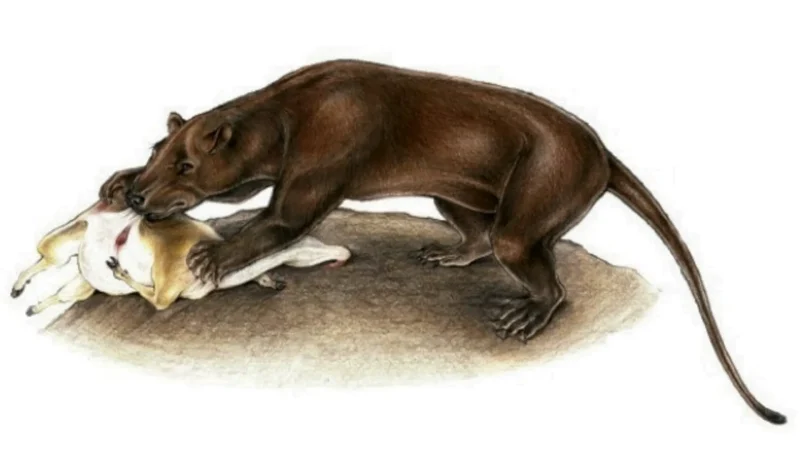
Despite its name, the Bear Dog is neither a bear nor a dog. It’s a prehistoric mammal that was a member of the Amphicyonidae family. Scientists believe these animals lived 56 to 9 million years ago.
The discovery of these creatures has helped provide valuable information regarding the ecosystem during prehistoric times. Because of the findings, researchers can better understand the potential mammals that lived during ancient times.
When it comes to their diets, their fossils vary based on the species. Some had adapted for hunting small mammals, and others appeared to have teeth suited for being scavengers and omnivores. Some had sharp teeth that allowed them to rip and tear flesh. Unfortunately, understanding their diet has been challenging for researchers.
HOT TIP
Be sure to read The Legend Behind the Chupacabra for more on mythic and strange creatures!
What Did the Bear Dog Look Like?
Like their diets, the appearance of Bear Dogs can differ significantly. Some were as small as modern foxes you could see in the wild together. On the other hand, the largest was roughly the size of a black bear.
Their bodies were large and bear-like, with stocky bodies, strong limbs, and a short tail. Their body structure provides hints that they were powerful creatures. They had fur that was likely used as insulation and camouflage in the environment.
Ultimately, the Amphicyonidae significantly varied in physical characteristics. Some of the bear dogs looked more like a bear, and others looked more like a dog. Sadly, since they’re extinct, we may never fully understand their appearance or get much more information about them.
Where Did Bear Dogs Live?
Bear dogs once lived throughout the world. Evidence of their existence exists in North America, Europe, Asia, and Africa. For North America, researchers have found fossils as far north as Canada and south as Mexico. However, scientists have found some fossil records elsewhere, but not nearly as many.
The widespread distribution of its fossils helps indicate that it was a resilient mammal. Researchers can get a snapshot of the mammals and changing landscapes in the past.
How Did Bear Dogs Go Extinct?
While scientists aren’t 100% sure, the best guess is that bear dogs went extinct because of a combination of factors. One possible theory is that they lived alongside other carnivores that were bigger, faster, and stronger. Unfortunately, when it came to dinner time, bear dogs could have lost the battle and ended up as dinner for a carnivore.
Another possible theory is that the Earth’s climate changed severely over millions of years. This resulted in a loss of prey, vegetation, and habitats. This theory would suggest they could not evolve and adapt to the changing climate and thus died off.

Tips for Staying Safe Against Bears and Dogs
Luckily, the odds of encountering bear dogs during your adventures are zero. Despite this, bears and dogs aren’t out of the question. Encounters with these mammals could become very dangerous. Let’s look at some tips for staying safe during these situations.
Avoid Quick Movements
One of the biggest mistakes you want to avoid is making quick movements. A dog or bear could interpret these as threats and decide to attack. Your best bet is to find a way to slowly retreat from the scene without making any quick movements.
While it may be easier said than done, you must remain calm. Animals can sense your stress and anxiety, which could also trigger their response. Take slow and deep breaths as you find the safest path to escape.

No Direct Eye Contact
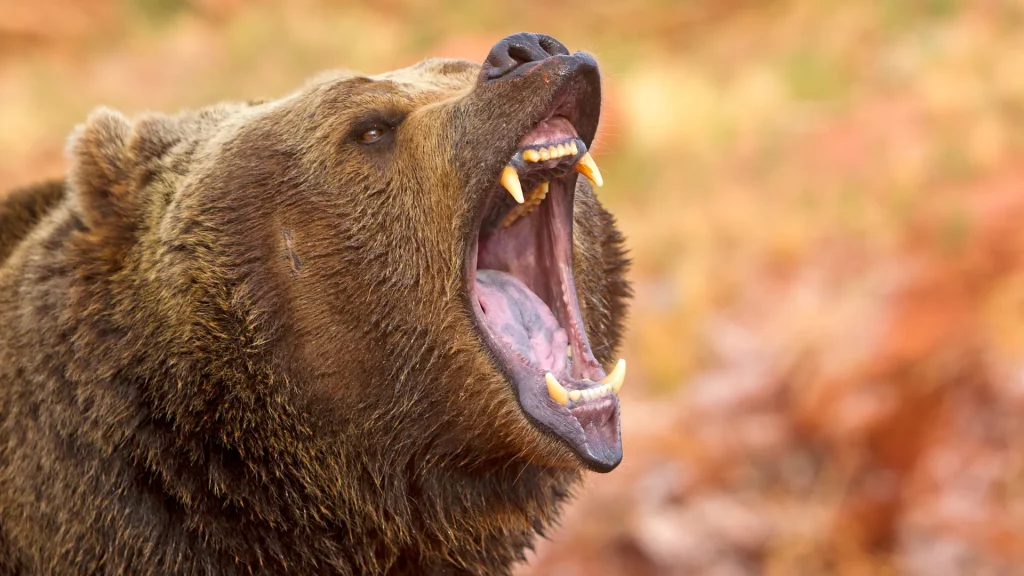
Another helpful tip is never to make eye contact with a bear or an aggressive dog. Making a quick movement could be compared to a staredown, as the angry animal could interpret you as challenging them. Unfortunately, these animals have sharp teeth and are extremely powerful. While you may win in a staring contest, you won’t do great if things get physical.
Instead of staring them in the eye, we suggest you look at the ground before them. This allows you to keep them and their movements in your sight. The last thing you want to do is take your eyes off or turn your back on them. If they decide to attack, you’ll need every second you can to respond.
Respect Personal Space
Keep your distance if you encounter a bear or dog during your adventures. The National Park Service suggests keeping at least 300 feet between you and bears and 100 feet for dogs. While you may accidentally stumble upon a bear and violate this rule, you want to create as much distance as possible.
As we mentioned, you should back away slowly to respect their personal space. Getting closer will only aggravate them more and worsen the situation. Do yourself a favor and keep your distance from bears, dogs, and any other wildlife you encounter on your adventures.
Watch for Signs of Aggression
Luckily, most animals give some warnings before they attack. Look for aggressive behaviors like growling, digging in the dirt, or urinating. Some animals will even have the hair on the back of their necks stand up when angry or threatened. You must evaluate the situation quickly if you witness any of these signs.
You must do whatever you can to calm the animal so it no longer feels threatened. Again, backing away slowly from the scene can be extremely helpful. Talking calmly to the animal in a low and soothing voice can also be extremely helpful.
Don’t Run
The worst mistake you can make when encountering a bear, dog, or any wildlife is to run from it. While you may think you’re fast, most dangerous animals are much quicker than you’d think. Bears and dogs can run upwards of 35 miles per hour. We’re not ashamed to admit that we couldn’t run half that speed.
Running from an angry animal could trigger a natural predatory instinct in them. They’ll chase after whatever is running and pounce on it without thinking about it. To survive the encounter, reject the urge to turn and run.

Should You Be Scared of the Bear Dog?
The bear dog is extinct, which means it’s not something that you should worry about during your adventures. On the other hand, bears and dogs both exist today and can be very dangerous. You must take the proper steps to protect yourself and others hiking with you.
Carrying bear spray is essential if you’ll be hiking in bear country. Although dogs can be anywhere. As a result, it may be a good idea to carry bear spray with you on routine hikes. While you may not ever need to use it, you’ll be glad you had it if you do.
If You Want the Latest Travel News, Join Our Mailing List
Don’t rely on biased RV industry news sources to keep you informed. Stick with Nomadic News. We publish articles and breaking stories that matter to you every weekday.