



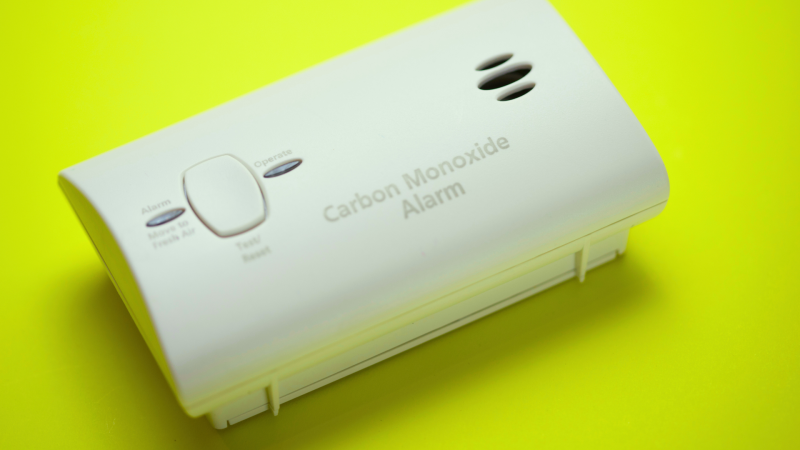
RVs come with various built-in safety components, including carbon monoxide detectors. You’ll spend most of your time unaware of them until they activate.
However, getting alert to a dangerous situation is only half the solution. It’s also critical that you know how to respond.
Today, we’ll help you know what to do when your RV carbon monoxide detector starts beeping.
Let’s get to it!
What Is an RV Carbon Monoxide Detector?
An RV carbon monoxide detector is a safety device that triggers an alarm when it detects the presence of carbon monoxide. The electrochemical sensors activate a loud beeping when they detect the slightest amount of carbon monoxide.
When properly used, these devices save lives. Although, you must check the expiration date on your unit and test it regularly. If not, they may not work correctly, which can have tragic consequences.
According to the CDC, over 400 people die each year from accidental carbon monoxide poisoning. Unfortunately, a carbon monoxide detector would have likely saved many of these lives.
Why Do RVs Have a Carbon Monoxide Detector?
The RV Industry Association, which controls many aspects of the camper industry, mandates carbon monoxide detectors in all certified units. These devices help protect and keep the rig’s owners and occupants safe while using it. Manufacturers often install gas-powered appliances, generators, and heating systems, which exhaust carbon monoxide.
A tiny leak in the exhaust system can allow this dangerous gas to enter the living space. This tiny leak can become a significant problem if the gas continues accumulating.
In 2023, Felicia Richey, a pregnant mother, and her two sons spent the night at Inman Motocross for the Kansas Motocross Championship Series. Unfortunately, during their stay, their lives were taken as a result of carbon monoxide poisoning.
If you own an RV or spend time in one, ensure the carbon monoxide detectors are present and in working order. This dangerous gas is unforgiving and deadly. We don’t want you or your loved ones to be its next victims.

Different Types of Beeping From RV Carbon Monoxide Detectors
Hearing your RV carbon monoxide detector beeping can induce a certain amount of fear. Despite this, there are a few different types of beeping that you can hear, and each is for a different reason. Let’s take a look!
Four Beeps and Pause
Let’s start with the most important first. If your carbon monoxide detector is doing four quick beeps and short pauses, you must take action immediately. This is a sign that the device has detected the presence of carbon monoxide. You’ll need to stop whatever you’re doing and address the situation. Get any humans or pets out of the RV as quickly as possible.
One Beep a Minute
A single beep every minute is one of the most common beeps you’ll hear from your carbon monoxide detector. Like a smoke detector, this typically happens when it’s time to replace the batteries on your device. Because these devices are so critical, we recommend changing your batteries every six to 12 months. It’s better to replace them too early than too late.
Additionally, some models don’t feature battery backups and instead rely on the RV’s 12-volt battery system for power. These devices often start chirping if you’ve depleted your battery bank. It’s their way of alerting you that they may not protect you from a potential danger.
Five Beeps a Minute
Finally, the last beep you’ll likely hear occurs approximately every five minutes. This is the sign that your RV carbon monoxide detector has reached the end of its life. While some can last upwards of 10 years, a majority reach the end of their life around five or seven years.
Again, it’s better to replace them too early than too late. Check the expiration date printed on the device to avoid any potential issues. These devices are too essential to wait until the last minute to replace them. Stay on top of replacing yours and you won’t have to hear this annoying beep while using your rig.
What to Do If Your RV Carbon Monoxide Detector Is Beeping
While knowing what the different beeps mean is important, knowing how to respond is equally important. Let’s look at the steps you should take when encountering this situation.
Don’t Ignore the Alarm
You should immediately act if you hear your carbon monoxide detector going off. This isn’t your alarm clock; you shouldn’t try sleeping through it. You should stop whatever you are doing and immediately take action. Every second counts regarding getting you and your loved ones to safety. The longer you spend inside the rig, the greater the chance of serious injury.

Increase Ventilation
One of the first things you should do is to throw open the windows, doors, and air vents. The goal is to increase the ventilation inside of your camper as quickly as possible. Getting fresh air into your rig will help dissipate the risks associated with these situations.
Evacuate
You should evacuate your recreational vehicle once you’ve opened the windows and increased ventilation. Getting outside as quickly as possible will help you to get fresh air and reduce the potential impact on your health. Remain outside until your camper has completely aired out.
While it may seem obvious, remember any pets you might have with you. Smaller animals are likely to experience side effects and symptoms from carbon monoxide poisoning before humans. Getting them to safety as quickly as possible is critical.
HOT TIP
Be sure to read Safety Tips Every Single Female Fulltimer Needs to ensure your safety on the road when traveling solo!
Turn off Appliances
It’s a good idea to shut down any appliances without going inside your rig. The easiest way is to turn off the gas to the various appliances. With no flow of propane to them, they’ll shut down and cease to create exhaust. Keep them turned off until you’ve completed the next step in the process.

Locate the Source
With the propane off, you must locate the source of the problem. Unfortunately, there are a variety of situations that can cause these types of dangers. We’ve heard everything from leaking exhaust systems to poorly placed generators. Nevertheless, don’t use your rig until you’ve located the source.
Seek Professional Inspection if Needed
While a poorly placed generator is easy to diagnose and fix, you won’t always be so lucky. If you cannot pinpoint the cause of your alarm, you’ll need to hire a professional to inspect your rig. These experts will use their knowledge and experience to locate any potential issues with your rig. While they may cost you a pretty penny, saving a life is worth every penny.

Respond to Your RV Carbon Monoxide Detector
Carbon monoxide is colorless, odorless, and tasteless. It can appear without warning, and if your safety devices aren’t functioning, you may not know until it’s too late. You’ll likely feel nauseous, dizzy, or have a headache. Otherwise, if you don’t take action, it can cause severe damage to your heart and brain or even result in death. Take it seriously and respond quickly.
If You Want the Latest Travel News, Join Our Mailing List
Don’t rely on biased RV industry news sources to keep you informed. Stick with Nomadic News. We publish articles and breaking stories that matter to you every weekday.