



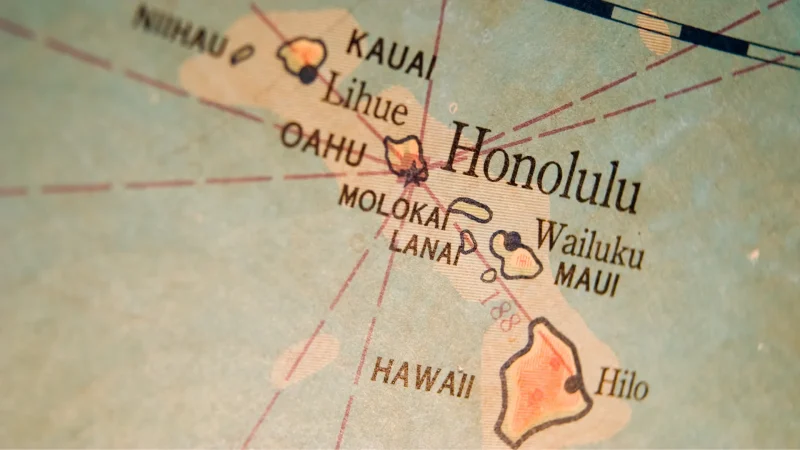
Of all the places we’ve visited during our adventures, the Hawaiian Islands are at the top of our list. However, maps don’t do them justice, and many people underestimate how far they are from each other.
Lucky for you, we broke out the measuring tape to help uncover how far the Hawaiian Islands are from each other. So, how far apart are they?
Let’s look and see!
What Are the Hawaiian Islands?
The Hawaiian Islands are a remote chain of islands sitting in the Pacific Ocean. When combined, they form the State of Hawaii. It became the 50th state in the United States in 1959. Over the last 60 years, it has become one of the most popular tourist destinations in the world.
They have a reputation for having tremendous natural beauty and incredible geological features. Much of the landscape was formed due to volcanic activity over millions of years. Each island has unique characteristics and personalities. Regardless of the island you visit, you’re in for a treat.
Visiting the Hawaiian Islands is an opportunity to experience authentic Polynesian culture. The Native Hawaiians have a rich history and culture with the land. Take your time and experience the cultural events, historic sites, and museums that make the Hawaiian Islands a special place.
HOT TIP
Buckle up if you’re planning on visiting Hawaii anytime soon. Alaska Airlines Acquired Hawaiian Airlines and you need to read this before booking a trip!
How Many Islands Are in Hawaii?
While Hawaii has eight major islands, the state has over 137 recognized islands and inlets. The major islands include Hawaii (often called the Big Island), Maui, Oahu, Kauai, Molokai, Lanai, Niihau, and Kahoolawe. Whether it’s the volcanic activity on the Big Island or the thick tropical forests of Kauai, each island is worth a visit.
As mentioned, these islands formed over millions of years due to volcanic activity. As a result, they vary considerably in size, shape, and accessibility. Despite this, many of the smallest islands remain uninhabited by humans, which allows them to provide the perfect habitats for plants and wildlife.
How Far Apart Are The Hawaiian Islands?
The distance between the Hawaiian Islands varies considerably. Overall, the islands spread out over 1,500 miles in the Pacific Ocean. The closest islands are Molokai and Maui, which are only 7.5 miles from each other. On the other hand, Lanai and Maui are slightly farther at 8 miles.
On the opposite side, the 300 miles between Kauai and Hawaii is the furthest distance between islands. Additionally, it’s only 237 miles from Hawaii to Oahu and 100 miles from Hawaii to Maui. In the grand scheme, some islands are closer, and others are farther than you’d think.
Why Are There No Bridges Between Hawaiian Islands?
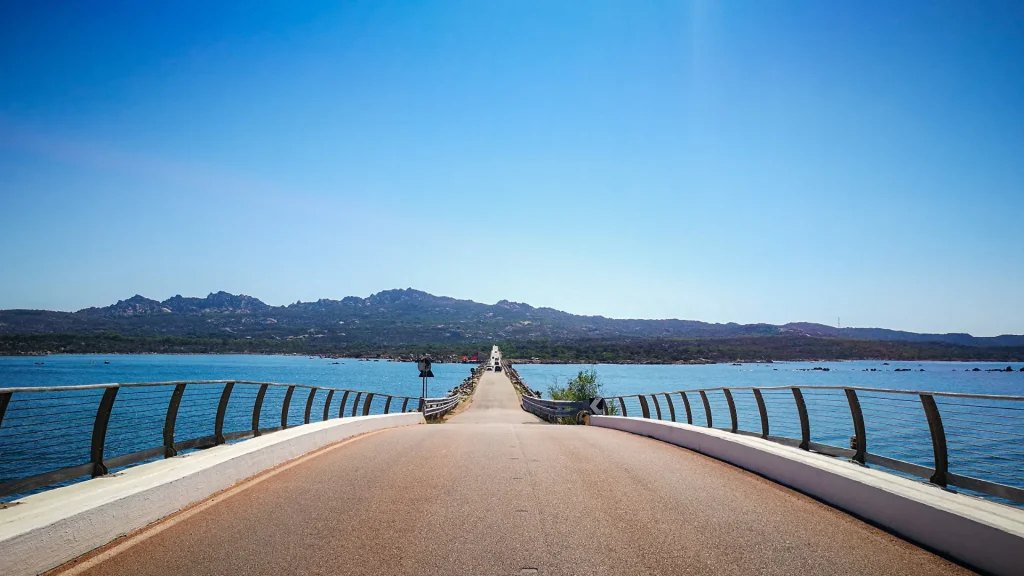
While the distances between even the furthest islands are relatively doable by car, it’s impossible. You won’t find any bridges connecting the Hawaiian Islands. This is because the ocean is thousands of feet deep between the islands. Construction would require placing supports nearly a mile beneath the ocean surface.
Traveling between islands requires the use of planes and ferries. The cost and schedule of these vary based on where you’re traveling. Is it convenient? Absolutely not. Nevertheless, it’s a small price to pay for living in a tropical paradise.
Tips for Visiting the Hawaiian Islands
You should know a few things before packing your bags and boarding your flight to visit the Hawaiian Islands. Here are some of our best tips for visiting these beautiful and sacred islands.
Plan Ahead
You’ll need a solid plan to make the most of your time in the Hawaiian Islands. Spend time researching beaches and other important places you want to experience. Doing so can help you avoid wasting time, energy, and money.
In addition, some events may require you to make reservations. If it’s a popular activity, it may be challenging to score tickets. Planning lets you know when the attraction starts accepting reservations or releases tickets.
Another benefit of planning is that it can give you time to save up your money. Some of the most popular activities, like luaus, can be expensive. You didn’t travel thousands of miles to miss out on once-in-a-lifetime experiences. So start saving your pennies to afford to make those priceless memories.

Choose the Right Island(s)
One of the most challenging choices is deciding which island (or islands) you should visit. As mentioned, each island is unique and has a personality and features. Honestly, you can’t go wrong with any of them. Although, your decision can significantly impact your adventures.
For example, the Big Island is home to Hawaii Volcanoes National Park and active volcanoes. You could get lucky and visit during an active eruption, which means catching a glimpse of lava. Additionally, Maui and Oahu are often the most touristy of the major islands. You’ll find beaches lined with resorts and plenty of opportunities for exciting excursions.
Take the time to decide which islands suit you and those on your trip. Unfortunately, it won’t be easy to experience them all unless you’re coming for an extended trip. After all, it gives you an excuse to return to this tropical paradise.
Respect the Environment
Some of the most popular activities involve spending time in the beautiful landscapes. While adventuring, make sure you respect the environment. Stay on designated trails, pack out what you bring in, and keep your distance from wildlife. Failure to do so can land you in hot water with locals and law enforcement.
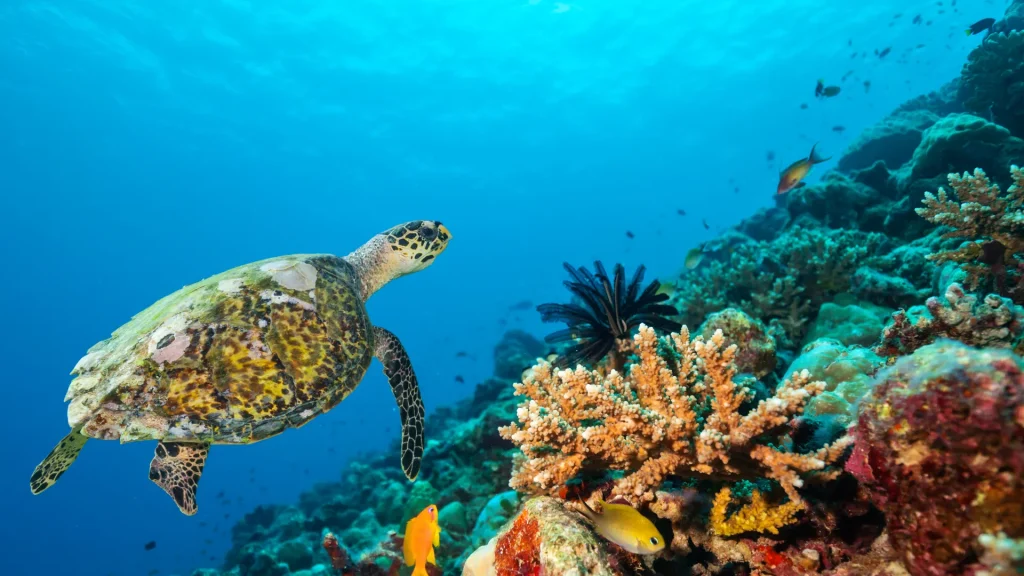
If you head out into the ocean for your adventures, respect the aquatic plants and wildlife. This is especially important when snorkeling and diving around coral reefs. Avoid touching or coming in contact with them. Additionally, wear sunscreen that protects your skin and the coral.
Stay Hydrated
The Hawaiian Islands have a tropical climate. As a result, it’s easy for dehydration to set in, especially during physical activities. Bring a reusable water bottle to ensure water is easily accessible. You should sip on it throughout the day. Avoiding dehydration means not waiting until you’re thirsty to start drinking. If you do, it might be too late.
While it may be tempting to sip on sugary and alcoholic beverages all day while on vacation, it’s not a good idea. Alcohol and dehydration don’t play well together as alcohol is a diuretic and will expedite the dehydration process. If you do choose to drink alcohol, make sure you do so in moderation.
Respect the Culture
Native Hawaiians have a vibrant culture and history. Nothing is more offensive than tourists coming and acting disrespectfully towards the customs and traditions. If you plan to visit, it’s a good idea to familiarize yourself with the culture and customs beforehand.
Knowing the importance and significance of hula and ukulele music is an excellent place to start. While you may see them as entertainment, they have a deeper meaning to native Hawaiians. They’re a deep part of their culture and history.
Similarly, family (‘ohana) is something they take very seriously. They look out and care for one another, whether you’re biologically related or not. The aloha spirit is alive and well on the islands and is more than just a greeting. You’ll notice their deep compassion and mutual respect. Show the people and their culture the same respect they show you.

Learn Some Hawaiian Phrases
Learning some common phrases is a fun and respectful way to engage with Hawaiian culture. But, if you choose to use them, do so respectfully. Using them jokingly is offensive and rude. This is one of the many reasons why many locals loathe tourists coming to the islands.
Prepare for Beach Safety
No matter which island you’re on, there’s a good chance you’ll visit the beach at some point. At the same time, the beach can be very dangerous if you’re not careful. Even when the waves are small, they can be mighty. They can knock you down and send you into the sand if you’re unprepared.
Additionally, you’ll want to be aware of the weather and surf conditions. Rip currents are common and can pull you away from the ocean. You’re not strong enough to swim against these currents. Instead, swim parallel to the shore until you escape them.
Remember, the waters can contain various marine life. You could encounter sea turtles, fish, and other critters. We suggest keeping a safe distance from jellyfish unless you want to get stung.
Which Hawaiian Islands Will You Visit?
We’ve had the incredible opportunity of visiting the Hawaiian Islands on more than one occasion. We had a wonderful time exploring the islands and learning about the culture. While some of the islands may be further away than you’d think, they’re worth visiting. Take the time to soak it all in and appreciate these fantastic islands’ natural and cultural beauty.
If You Want the Latest Travel News, Join Our Mailing List
Don’t rely on biased RV industry news sources to keep you informed. Stick with Nomadic News. We publish articles and breaking stories that matter to you every weekday.
Last update on 2026-10-06 / Affiliate links / Images from Amazon Product Advertising API