



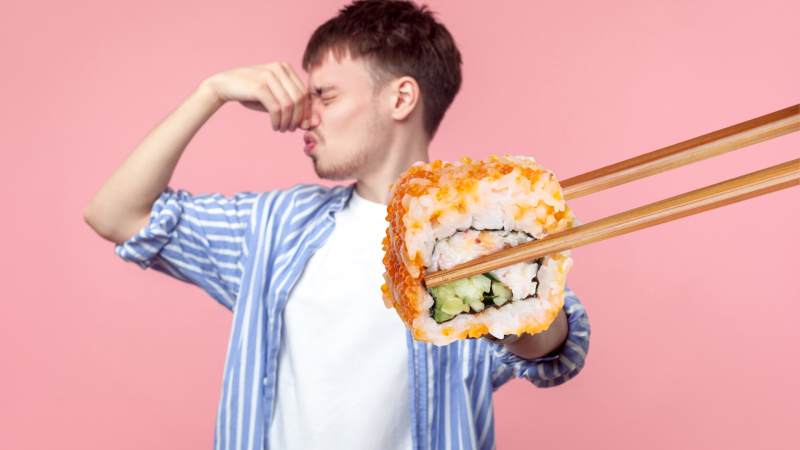
We’re sushi lovers. No matter where we travel, we’re looking for a great sushi bar. But we’ve had some not-so-good places we’d never return to even though the locals thought they were fantastic. Today, we’ll share states where we’d never order sushi again and give our top recommendation. Let’s dive in!
HOT TIP
If you’re looking for another foodie adventure, be sure to check out Eat Your Way Through Yuma (Best Local Food)!
What Is Sushi?
Sushi is a Japanese dish that usually features raw fish. If you’re concerned about whether raw sushi is safe, rest assured. Sometimes it’s cooked, but sushi is more often prepared raw. Rice is the most important ingredient and is included in every type of sushi no matter the filling. Sushi chefs undergo years of training to properly prepare the rice.
The main types of sushi are nigiri and maki. Nigiri sushi is “hard-pressed” and is prepared with an oval-shaped mound of rice topped with a slice of fish or seafood. Maki sushi is rolled in nori, a type of seaweed. This type of sushi is a cylinder and includes fillings like raw fish, vegetables, or cooked shellfish. Rice is between the fillings and wrap.

Where Can You Find Sushi?
Even though sushi is a traditional Japanese dish, you can find it practically anywhere. Grocery stores, convenience stores, and restaurants all over the U.S. serve sushi. If you’re looking for a quick grab-and-go lunch, sushi is available in many deli sections of grocery stores.
However, if you want as authentic an experience as possible, we highly suggest visiting a Japanese sit-down restaurant. You can look for “sushi bar” and “sushi and grill” in the names.
What Makes Good Sushi?
High-quality sushi isn’t as easy to make as it might appear. Some people even call sushi making “art.” Consider the rice consistency and temperature. Chefs must apply the right pressure when making rice so the outer layer is denser than the inside.
You also want the filling to be proportionate to the rice. Too much or too little can cause the wrap to fall apart or create a bland taste. Finally, the fish preparation is just as important as the application. This is why eating fresh sushi in a restaurant tastes better than convenience store sushi. Your fish should be firm and not wet or greasy.

5 States We’d Never Order Sushi Again
Although the sushi restaurants we visited had five stars and were highly rated among locals, we wouldn’t eat sushi in these states again. We always do our research on Yelp and Google. But clearly, the locals haven’t had amazing sushi in these states before. These states are far from the ocean and are less likely to serve high-quality sushi than states like California or New York.
1. Indiana
Indiana is a prime example of not being able to trust Yelp reviews. While the places we tried had four stars or better, the fish was subpar and the rolls weren’t traditional. We wouldn’t return to any of the sushi restaurants in Indiana.

2. Michigan
We’ve tried fine-dining sushi and hole-in-the-wall spots while traveling through Michigan, and unfortunately, this is another state that doesn’t hold up. While gazing at the Great Lakes might remind you of being on the ocean, we’re sure the fish here has to be frozen and shipped in. It’s not the worst sushi we’ve had, but it’s a state we will not be ordering it in again.
3. New Mexico
We trusted locals in New Mexico, and they failed us. Apparently, they haven’t eaten quality sushi before. This landlocked state isn’t one we’ll order sushi in again. We’ll stick to delicious authentic Mexican food instead.

4. Colorado
While Colorado is known for its breweries, it’s not known for its sushi. We love visiting the Rocky Mountain State. But when you’re this far from the ocean, there’s no way any seafood is fresh.
Unless you check out the James Beard award-winning restaurant Uchi in Denver. It’ll cost you a heavy penny, though. With their hydroponic garden upstairs, they pride themselves on carrying fresh ingredients and offering an intimate sushi bar experience. They have locations in Austin
Charlotte, Dallas, Denver, Houston, Miami, Miami Beach, Plano, Scottsdale, and West Hollywood.
5. Montana
Finally, like Colorado, Montana is so far from the ocean that chefs can’t prepare fresh seafood for sushi entrees. Plus, the remoteness of Montana makes getting seafood in and out more difficult than in other states. We’ll pass on sushi in Big Sky Country.

Our Recommendation If You Love Sushi
If you love sushi, we recommend sticking to states that border oceans. Coastal states serve fresh fish whereas inland states have to rely on frozen fish. We especially love Sugarfish, located in California and New York. You’ll find long waits at this popular restaurant but it’s worth it!
The Sugarfish website explains the brand’s commitment to high-quality sushi: “To accomplish that takes an insane commitment to perfection, whether it is being first in line when the fish market opens at 6 a.m., or spending more than $50,000 in pursuit of a $250 rice cooker.”
Chef Nozawa began as a sushi apprentice in Japan where he learned how to master the art. Fans rave about Nozama’s expertise. For 25 years, he has “placed in the top tier of the Zagat Guide’s overall food ratings, and also won its best Japanese and best sushi categories.”

Stick To Coastal States When Ordering Sushi
You won’t find California rolls or spicy tuna rolls at Sugarfish. Chef Nozawa stuck to the traditional sushi experience, and his teams still follow his desire today. If you want imitation sushi, grab a container at the local grocery store deli. But if you want authentic, traditional sushi, stick to coastal states where the fish is fresh and the chefs are experienced masters at their craft.
Have you ever eaten sushi at one of these inland states before? Do you agree with our conclusion that coastal states are better?
If You Want the Latest Travel News, Join Our Mailing List
Don’t rely on biased RV industry news sources to keep you informed. Stick with Nomadic News. We publish articles and breaking stories that matter to you every weekday.